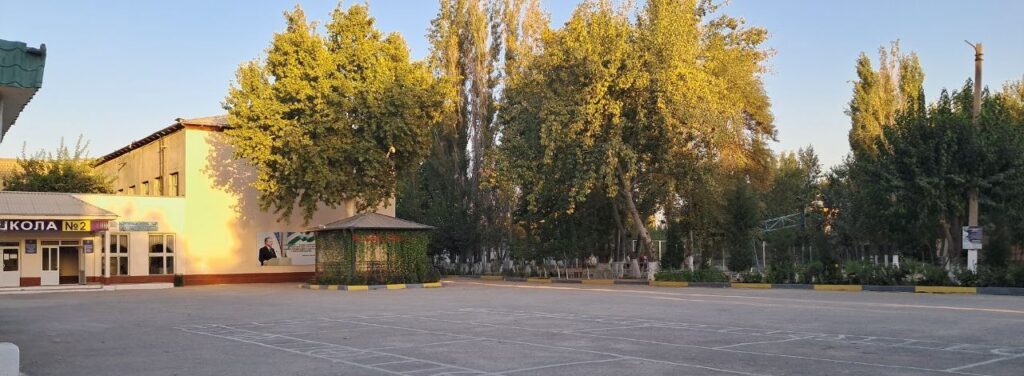
In 2024, as part of the Teach for Uzbekistan program, a team of four teachers from different parts of Uzbekistan began working at School No. 2 in the Chiragchi district of the Kashkadarya region. We gradually settled into the work rhythm and in December decided to hold a large joint event—a New Year’s festival. In addition to large events, we held interest clubs and additional classes in our subjects. The year flew by quickly. In the summer, our colleague Ramazan came up with the idea of holding a summer camp for our students: we gathered our fellow teachers from the neighboring town of Kokdaly and held two camp sessions. These were the first steps of our Birlashma project, which translates from Uzbek as “unification.” With one year left, we thought about what we could leave behind at the school, something that could continue to exist and develop. This coincided with the fact that in the second year of work, each participant had to implement their own social project for the school. We, the computer science, English, and chemistry teachers, decided to join forces and create a joint project.
What weaknesses in the school system could we influence?
We often hear different opinions from children and see different situations. Combining all this, we identify three areas that need consideration and work:
- Low diversity of extracurricular activities (clubs are limited to school subjects)
- Authoritarian communication between teachers and students (the teacher is always right, the students’ opinions are insignificant. Problems with trusting and open communication)
- Loss of interest and enjoyment in attending school (the older the students get, the more they lose their curiosity and enthusiasm for learning and school in general).
But no one is to blame here; that’s just how it turned out. Government policy, low income levels, bureaucracy, and the historical characteristics of the country. The question is rather different. What can we do? Do it together